When you start a WordPress blog, hosting is usually the first confusing thing you run into.
You search on Google, and suddenly everyone is shouting:
“Best hosting!”
“Fastest hosting!”
“#1 WordPress hosting!”
But very few people actually explain things in a simple, beginner-friendly way.
So let’s slow things down and do this properly.
In this guide, I’ll explain what WordPress blog hosting really means, why it matters for your blog, and how to choose the right hosting as a beginner — without wasting money or making things complicated.
No tech overload. Just real guidance.
What Is WordPress Blog Hosting?
WordPress blog hosting is simply the service that keeps your WordPress blog online and accessible to everyone.
When you create a WordPress blog, you’re not just writing posts inside a dashboard. Behind the scenes, your blog needs a place where all its files, images, and content are stored. That place is called a server.
Think of hosting like this.
WordPress is the house you build.
Hosting is the land where that house sits.
Without land, the house can’t exist. And without hosting, your WordPress blog can’t appear on the internet.
Many beginners get confused because hosting companies use different terms like shared hosting, WordPress hosting, or VPS hosting. At the core, though, they all do the same basic job: they give your WordPress blog a home that stays online 24/7.
So when people talk about WordPress blog hosting, they’re not talking about something mysterious or special. They simply mean hosting that works well with WordPress and is suitable for running a blog.
In simple terms, blog hosting WordPress users choose is just hosting that keeps a blog fast, secure, and easy to manage.
The real question isn’t, “Do I need WordPress blog hosting?”
The real question is which type of hosting makes sense for your blog right now.
And if you’re just starting out, the answer is usually much simpler than it sounds.
WordPress itself is free, open-source software maintained by the community, which you can learn more about on the official WordPress website.
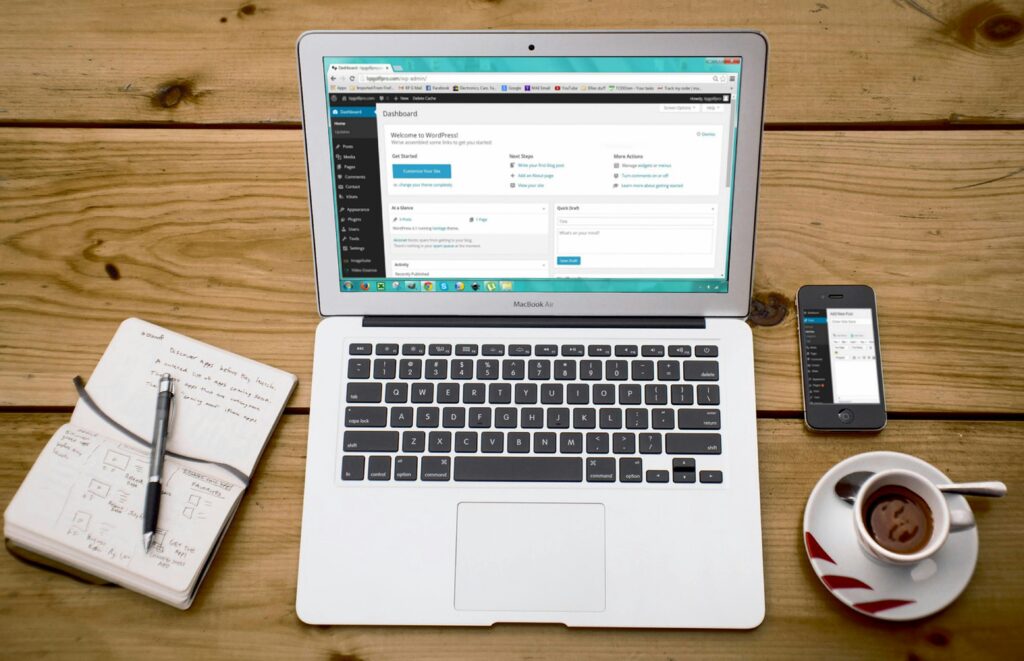
Why Hosting Matters for Your WordPress Blog
When you start a WordPress blog, hosting doesn’t feel very important. Your focus is on writing and getting your site online, not on servers.
But hosting affects how your blog performs behind the scenes. Slow hosting leads to slow page loads, and visitors don’t wait around. Search engines notice this, too.
Reliability and security matter as well. If your blog is often down or poorly protected, readers lose trust, and growth becomes harder.
Hosting also affects how easily your blog can grow. As traffic increases, weak hosting starts to struggle, while good hosting adapts quietly in the background.
Good hosting won’t make your blog successful, but bad hosting can definitely hold it back. That’s why choosing something stable from the start makes a difference.
As your blog grows, knowing when to upgrade from shared hosting can save you a lot of frustration later.
Types of Hosting You Can Use for a WordPress Blog
When people talk about WordPress hosting, it can sound more complicated than it really is. In reality, there are only a few main hosting types you’ll come across, and most beginners only need to understand the basics.
The key thing to remember is this: you don’t need the most powerful hosting to start a WordPress blog. You need something reliable that doesn’t get in your way.
Shared Hosting
Shared hosting is where most WordPress blogs begin.
Your blog shares a server with other websites, which helps keep costs low. This setup works well because new blogs usually don’t get much traffic in the beginning.
Shared hosting is simple to use. Most providers offer one-click WordPress installation, basic security, and an easy control panel. You don’t need technical knowledge to get started.
This type of hosting for WordPress blog beginners works well because it lets you focus on writing, not server management.
For many bloggers, shared hosting is enough for a long time. It only becomes a limitation when traffic grows consistently.
If you’re new to blogging, you may want to read this detailed guide on shared hosting plans to understand what you actually get.
WordPress Hosting
WordPress hosting is similar to shared hosting, but it’s optimized specifically for WordPress.
Servers are tuned for WordPress performance, updates are often handled automatically, and support teams usually understand WordPress better. This makes the experience feel smoother, especially if you don’t want to deal with technical details.
It usually costs a little more than basic shared hosting, but it’s more hands-off.
If you like convenience and want fewer things to worry about, WordPress hosting can be a good option.
VPS Hosting
VPS hosting is a step up and is meant for blogs that have already grown.
With VPS hosting, your blog gets its own portion of server resources. This improves performance and control, but it also comes with more responsibility.
Most beginners don’t need VPS hosting right away. It makes sense only when your blog starts getting steady traffic or generating income.
Until then, it’s perfectly fine to ignore VPS hosting and focus on building content.
Which Hosting Is Best for a WordPress Blog?
If you’re just starting a WordPress blog, the best choice is usually shared hosting or beginner-friendly WordPress hosting.
Shared hosting is affordable, simple to use, and more than enough for a new blog. You can install WordPress quickly and focus on writing instead of technical setup.
WordPress hosting is a slightly more polished option. It handles some things for you automatically and can feel smoother, but it isn’t required to get started.
The most important thing to understand is this: you don’t need powerful or expensive hosting on day one. You need something reliable that lets you publish and grow without stress.
Most beginners doing blog WordPress hosting don’t need anything complicated at the start. You can always upgrade later when your blog starts getting traffic or making money.
If you’re unsure where to begin, starting with a trusted beginner-friendly hosting plan is usually the easiest path.
How to Choose the Right WordPress Blog Hosting
You don’t need to overanalyze hosting when you’re starting out. Simple is usually better.
If this is your first WordPress blog, beginner-friendly hosting is enough. Focus on getting your site online and publishing content instead of worrying about technical details.
Choose a plan that fits your budget and is easy to manage. There’s no need to spend more than necessary in the beginning.
Most importantly, make sure you can upgrade later. As your blog grows, your hosting can grow with it.
That’s all you need to decide right now.
Common Hosting Mistakes New WordPress Bloggers Make
One common mistake is choosing hosting only because it’s cheap. Very low-cost hosting often leads to slow speed and poor support, which creates problems later.
Another mistake is starting with advanced hosting too early. VPS or dedicated servers sound impressive, but they usually add stress instead of helping when your blog is still small.
Some beginners also ignore future growth. Picking a hosting that’s hard to upgrade can force you to move everything later, which is avoidable.
The safest approach is to start simple, choose reliable hosting, and upgrade only when your blog actually needs it.
Frequently Asked Questions
Q. Is shared hosting really enough for a WordPress blog?
Ans: Yes. For most beginners, it’s more than enough for a long time.
Q. How much traffic can shared hosting handle?
Ans: It depends, but hundreds — and even a few thousand visitors per day — is usually fine with decent optimization.
Q. When should I upgrade my hosting?
Ans: When your blog slows down consistently, hits resource limits, or starts making money regularly.
Q. Do I need WordPress-specific hosting?
Ans: No. It’s convenient, but not required. Shared hosting works perfectly well.
Conclusion
If you’re starting a WordPress blog, don’t let hosting feel overwhelming.
You don’t need the most powerful or expensive plan to begin. What you need is reliable, beginner-friendly hosting that lets you focus on writing and growing your blog.
Start simple, publish consistently, and learn as you go. When your blog grows, your hosting can grow with it.
That’s how most successful WordPress blogs actually start. If you want a smooth start, choosing a trusted hosting provider that’s beginner-friendly can remove a lot of early frustration.