If you’re starting a WordPress blog, shared hosting is probably the first thing you’ll hear about.
It’s everywhere.
Every hosting company promotes it.
Every beginner guide mentions it.
And almost every new blogger starts with it.
But here’s the problem.
Most explanations don’t actually tell you what shared hosting plans include, how they work in real life, or whether they’re good enough for a WordPress blog long-term.
So let’s talk about it properly — like two people having a real conversation.In this guide, I’ll break down what shared hosting plans really are, what you get when you sign up, who they’re best for, and when it makes sense to move on to something else.
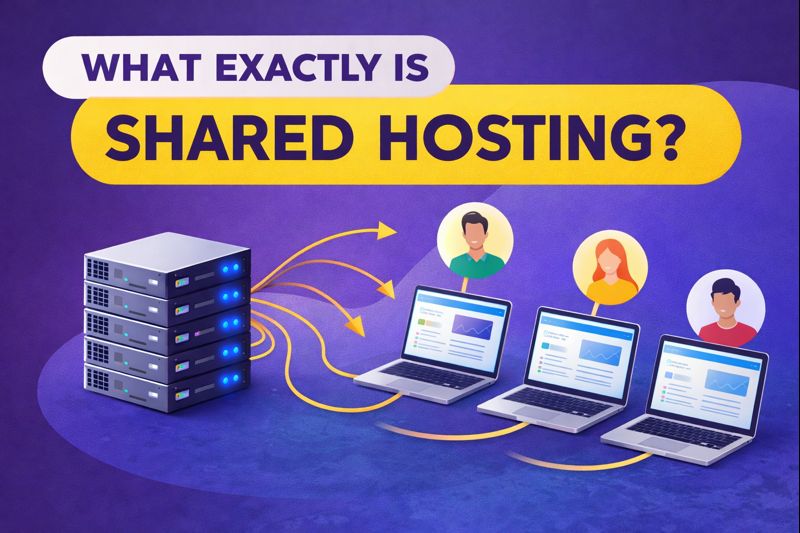
What Exactly Is Shared Hosting?
Shared hosting means your website shares a server with other websites.
That’s the whole idea.
Instead of renting an entire server for just your blog (which would be expensive and unnecessary at the beginning), you share space and resources with other sites. This is what keeps shared hosting affordable.
For new blogs, this setup works well because traffic is usually low, and resource needs are minimal. You’re not running complex applications or handling thousands of visitors on day one.
Think of shared hosting like living in an apartment building.
You have your own space, your own door, and your own belongings. You’re just sharing the building itself. As long as everyone behaves reasonably, things run smoothly.
That’s why shared hosting has been the starting point for millions of WordPress blogs.
What Do You Get with Shared Hosting?
This is where people often feel unsure, so let’s slow it down.
With a typical shared hosting plan, you’re not just getting space on a server. You’re getting a managed environment designed for beginners.
Most shared hosting plans include storage for your website files, bandwidth to handle visitors, and a control panel that lets you manage everything without technical knowledge.
You’ll usually get one-click WordPress installation, which makes setting up your blog surprisingly easy. You don’t need to upload files manually or deal with complicated setups.
Email accounts are often included, so you can create a professional email address using your domain name. Basic security features, automatic updates, and backups are also commonly part of the package, depending on the provider.
The biggest benefit is this:
You don’t have to manage the server yourself.
No system updates.
No server maintenance.
No technical headaches.
That’s all handled by the hosting company.
Is Shared Hosting Enough for a WordPress Blog?
For most beginners, yes — shared hosting is more than enough.
If you’re just starting a WordPress blog, your main focus should be on creating content, learning how WordPress works, and slowly growing your audience.
Shared hosting can comfortably handle hundreds of visitors per day, and often even more if your site is optimized properly. Many blogs stay on shared hosting far longer than people expect.
In fact, a lot of successful blogs started on shared hosting and didn’t upgrade until they were already earning money.
If you’re still unsure how shared hosting fits into the bigger picture, this guide on WordPress blog hosting explains how shared hosting compares with other hosting types and when upgrades actually make sense.
Who Should Choose Shared Hosting?
Shared hosting isn’t for everyone, but it’s a great fit for many people.
It works especially well if you’re starting your first WordPress blog, working with a limited budget, or building something slowly on the side.
If your blog is new and traffic is low, shared hosting gives you everything you need without unnecessary complexity. It lets you focus on learning and publishing instead of worrying about technical details.
That simplicity is the real value.
When Shared Hosting Is No Longer Enough
Shared hosting isn’t perfect, and it’s not meant to be permanent for every site.
As your blog grows, you may start noticing limitations. Pages might load more slowly during traffic spikes, or certain resource-heavy plugins may not perform as well.
This usually happens when your blog starts getting steady traffic or when you add more advanced features.
That doesn’t mean shared hosting is bad. It just means your blog is growing.
And that’s a good problem to have.
When this happens consistently — not just once in a while — it’s usually a sign that it’s time to think about upgrading.
How to Pick the Right Shared Hosting Plan?
This is where many beginners get stuck.
They compare too many plans, read too many reviews, and end up feeling overwhelmed.
You don’t need to do all that.
When choosing a shared hosting plan, focus on three things: reliability, ease of use, and the ability to upgrade later.
You don’t need the most expensive option. A basic shared hosting plan is usually enough to start a WordPress blog.
What matters more is choosing a trusted hosting provider that makes WordPress easy to set up and offers decent support if you ever need help.
A smooth start saves time, frustration, and energy — especially when you’re new.
Shared Hosting vs Other Hosting Types (A Quick Reality Check)
Shared hosting is about simplicity and affordability.
WordPress hosting adds more convenience and optimization, but usually costs more. VPS hosting adds power and control but also brings technical responsibility.
For beginners, shared hosting keeps things manageable.
You can always move up later. There’s no penalty for starting simple.
Common Misunderstandings About Shared Hosting
A lot of people assume shared hosting is slow or unreliable.
In reality, most problems come from choosing extremely cheap providers or overloading a site with unnecessary plugins and features.
With a decent provider and a clean WordPress setup, shared hosting performs well for beginner blogs.
It’s not about chasing the “best” hosting. It’s about choosing what fits your current stage.
Is Shared Hosting Right for You?
Shared hosting plans exist for a reason.
They make it easy to start a WordPress blog without spending too much money or dealing with technical complexity. For most beginners, shared hosting is the right place to begin.
Focus on writing, learning, and growing your blog. When traffic increases, and your needs change, you can upgrade with confidence.
That’s how most WordPress blogs grow — one step at a time.